About Conex

Welcome to Conex Aluminium Components, a leading manufacturer and exporter of high-quality, precision-engineered non-ferrous metal components worldwide.

Contact Info

  • Plot 1, Street No 1, Road No 1
  • sales@conexaluminium.com
  • Sat - Thu: 09.00 to 18.00

Pad Mounted Transformer Connectors

Conex > Products Range > Transformer Parts Connectors > Pad Mounted Transformer Connectors

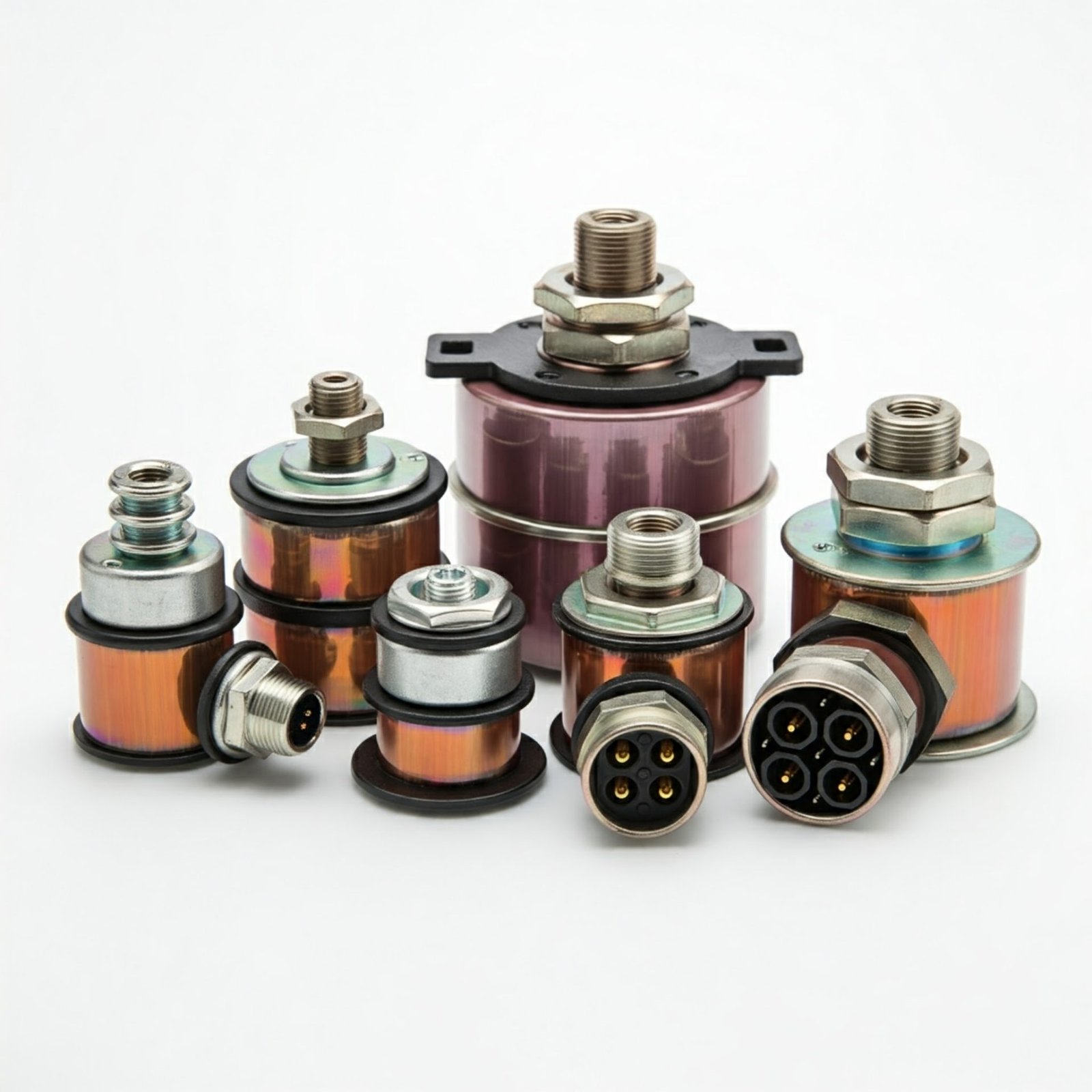
Reliable Pad Mounted Transformer Connectors for Electrical Systems

Conex’s Pad Mounted Transformer Connectors are designed for secure and efficient electrical connections in transformer systems, offering exceptional durability and corrosion resistance.

High-quality Pad Mounted Transformer Connectors by Conex, ensuring safe and stable electrical connections for power distribution systems.

At Conex Aluminium Components, we manufacture **Pad Mounted Transformer Connectors** to ensure secure and efficient electrical connections for transformers and power distribution systems. Made from premium materials, these connectors offer excellent conductivity, corrosion resistance, and long-lasting durability. Suitable for industrial, commercial, and utility applications, they are designed to handle high-performance requirements while maintaining safety and reliability. Conex provides a range of standard and customizable configurations to meet specific project needs, ensuring superior quality and dependable service.

Selection should consider conductor material and range, current and fault duty, terminal or stud pattern, clearances, compartment space, hardware and installation method. A controlled equipment-interface drawing prevents fit and assembly errors.

Aluminium provides useful conductivity at low weight and can be cast or machined into compact multi-connection geometries. Alloy, contact area, surface preparation, plating or inhibitor system and hardware are designed together for stable electrical performance.

Yes. Conex manufactures pad mounted transformer connectors to customer drawings and application requirements. Dimensions, interfaces, material, finish, identification, inspection and packaging can be tailored after an engineering review, subject to process capability and order quantity.

A mixed-metal connection may be possible with a compatible plated, bimetallic or transition design. Galvanic corrosion, oxide control, joint compound, hardware and environmental sealing must be addressed for the specific interface.

State conductor material, nominal size, strand class, number of conductors, terminal-pad dimensions, stud or hole pattern and required orientation. Cable bending space and electrical clearances should also be shown on the equipment drawing.

Adequate conductive cross-section, clean contact surfaces, controlled pressure and protection from oxidation are essential. Barrel, pad, screw or bolt geometry and the specified assembly torque are validated as one connection system.

Phase-to-phase and phase-to-ground clearances, creepage paths, cable bend radius, tool access and enclosure boundaries must meet the equipment voltage class and applicable standards. Compactness should not compromise installation or inspection access.

Suitability depends on compartment sealing, moisture, pollution, temperature cycling, coating, hardware and joint protection. Service conditions should be identified so corrosion control and drainage can be incorporated into the approved design.

Installation should follow the transformer, connector and utility instructions for conductor preparation, insertion, compound, tightening sequence and torque. Trained personnel should use calibrated tools and verify seating, clearance and final joint condition.

Checks can include material, dimensions, conductor interfaces, threads, hole pattern, coating and visual condition. Resistance, temperature-rise, mechanical, thermal-cycle or fault-duty tests should be defined by the applicable qualification plan.

For an accurate quotation, provide a controlled drawing or 3D model, material or alloy requirement, critical dimensions and tolerances, finish, order quantity, annual demand, application and any inspection or documentation needs. Conex reviews manufacturability before confirming tooling, process route, lead time and commercial terms.

Secondary connectors for pad-mounted transformers are typically designed to ANSI C119.4 and UL 486A-486B / UL 467 for grounding, with dimensions matching IEEE C57.12.34 terminal arrangements. Utility specifications may add heat-cycle and pull-out test requirements.

Multi-tap (or 'bus bar') connectors mount on the transformer secondary spade or threaded stud and provide several insulated or bare ports so multiple service cables can be connected at one terminal without stacking lugs.

Clean and brush aluminium conductors, apply inhibitor compound, insert to the full strip length and tighten set screws to the torque marked on the connector. Mounting hardware on the spade should be tightened to the transformer manufacturer's torque with Belleville washers to maintain preload.

Need Pad Mounted Transformer Connectors? Get a Fast, Detailed Quotation

Send your drawing (STEP, IGES, DWG, DXF or PDF) with material grade, finish and quantity. Our engineers reply with a DFM review, price and lead time. MOQ 10 pcs • ISO 9001:2015 • Exports to USA, UK, Europe, Canada & Australia.