About Conex

Welcome to Conex Aluminium Components, a leading manufacturer and exporter of high-quality, precision-engineered non-ferrous metal components worldwide.

Contact Info

  • Plot 1, Street No 1, Road No 1
  • sales@conexaluminium.com
  • Sat - Thu: 09.00 to 18.00

Aluminium Panel Board Lugs

Conex > Products Range > Aluminium Electrical Components > Aluminium Panel Board Lugs

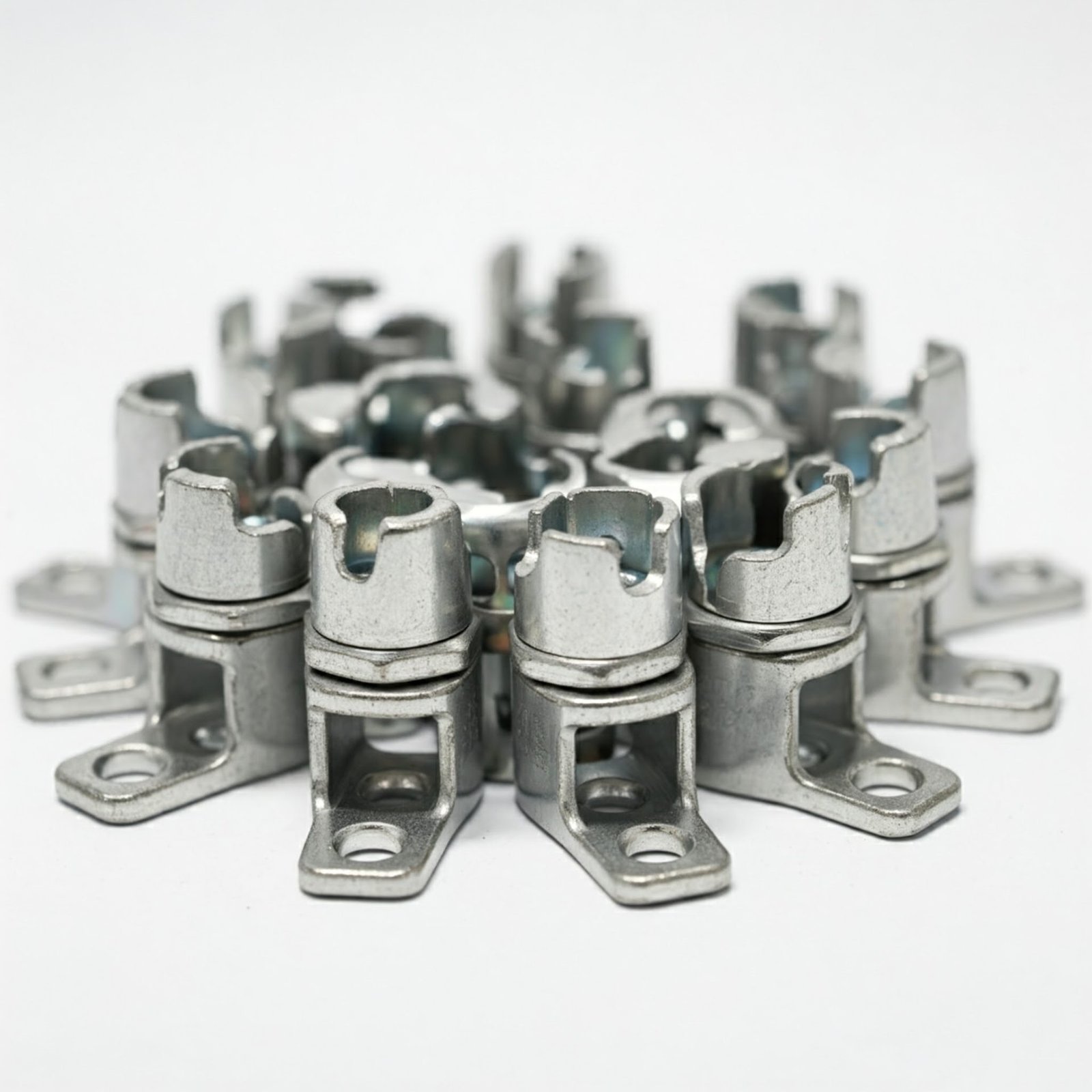
Durable and Precision-Engineered Aluminium Panel Board Lugs

Our aluminium panel board lugs are designed to provide secure and efficient electrical connections, ensuring superior performance and durability in various systems.

Precision-crafted aluminium panel board lugs for secure electrical connections, ensuring durability, conductivity, and ease of installation.

At Conex Aluminium Components, we manufacture high-quality aluminium panel board lugs tailored for electrical and industrial systems. These lugs are ideal for power distribution boards, switchgear, and control panels. Made from corrosion-resistant aluminium, they ensure reliable conductivity, durability, and easy installation. Our lugs are available in various sizes and configurations to meet industry standards and specific requirements. With a commitment to quality, Conex offers customized solutions that ensure safety and reliable performance in all applications.

Match conductor material, cross-section, strand class and diameter to the lug range, then verify current duty, voltage, number of conductors and equipment listing. Palm size, mounting-hole pattern, stud diameter, orientation and enclosure clearance must fit the panel design.

Common configurations include single- and multi-conductor lugs, straight or angled palms, one- or two-hole mounting, set-screw designs and equipment-specific terminal blocks. The geometry should be chosen for cable routing, phase spacing, installation access and terminal load.

The palm must seat flat on the busbar or equipment pad and align with the prescribed fasteners. Incorrect hole spacing, thickness or contact area can cause bending, uneven pressure, reduced clearance and excessive resistance at the bolted interface.

Only use a lug carrying the required conductor-material rating. Dual-rated designs may accept specified aluminium or copper conductors, but the cable range, plating, oxide inhibitor and equipment certification must all support the selected combination.

After isolating and verifying the circuit, cut the cable square, strip to the stated length and avoid nicking strands. Clean exposed aluminium with an approved brush, apply compatible inhibitor where specified, and insert the conductor fully before tightening.

Use the torque marked on the lug, equipment label or approved installation instructions for the exact conductor size. A calibrated torque tool is essential because under-tightening increases resistance and over-tightening can strip threads, crush strands or deform the connector.

Clean, flat contact surfaces, adequate overlap and correctly selected hardware create uniform interface pressure. The specified plating, washers and bolt torque must be maintained; paint, oxide, burrs or misalignment between the lug palm and busbar can cause localized heating.

Lug height, cable bend radius, exposed conductor length and hardware must preserve the panel’s required phase-to-phase and phase-to-ground clearances. Insulating barriers, boots or covers should be installed when specified by the equipment design and voltage class.

Compact lugs can reduce space, but cable bending radius, tool access, heat dissipation and clearances cannot be compromised. The enclosure layout should allow conductors to enter without side-loading the lug or blocking inspection and retorquing access where permitted.

Use compatible plated contact surfaces and a lug approved for the conductor and busbar materials. Keep moisture and contaminants out, use the specified joint compound, and avoid unapproved direct aluminium-to-copper contact in humid or polluted enclosures.

Performance depends on connector design, conductor size, mounting interface and equipment rating. Qualified lugs are evaluated for temperature rise and mechanical stability, but the complete assembly must also satisfy panel short-circuit, continuous-current and heat-rise requirements.

Typical errors include wrong conductor range, incomplete insertion, damaged strands, oxide contamination, incorrect torque, loose palm hardware, poor busbar contact and excessive cable side-load. These conditions reduce contact area or pressure and raise electrical resistance.

Inspection checks dimensions, alloy or plating, conductor range markings, threads, palm flatness, mounting alignment and torque records. Depending on the specification, testing may include resistance, temperature-rise, pull-out and short-time-current verification, plus infrared checks after commissioning.

Provide conductor material, cross-section, diameter and strand class; current and voltage; cable count; palm dimensions, hole pattern and orientation; enclosure limits; busbar material; plating, standard, testing, certification and quantity. Panel drawings or samples help Conex confirm fit and clearances.

Need Aluminium Panel Board Lugs? Get a Fast, Detailed Quotation

Send your drawing (STEP, IGES, DWG, DXF or PDF) with material grade, finish and quantity. Our engineers reply with a DFM review, price and lead time. MOQ 10 pcs • ISO 9001:2015 • Exports to USA, UK, Europe, Canada & Australia.