About Conex

Welcome to Conex Aluminium Components, a leading manufacturer and exporter of high-quality, precision-engineered non-ferrous metal components worldwide.

Contact Info

  • Plot 1, Street No 1, Road No 1
  • sales@conexaluminium.com
  • Sat - Thu: 09.00 to 18.00

Aluminium Electrical Components

Conex > Products Range > Aluminium Electrical Components

High-Quality Aluminium Electrical Components for Performance and Safety

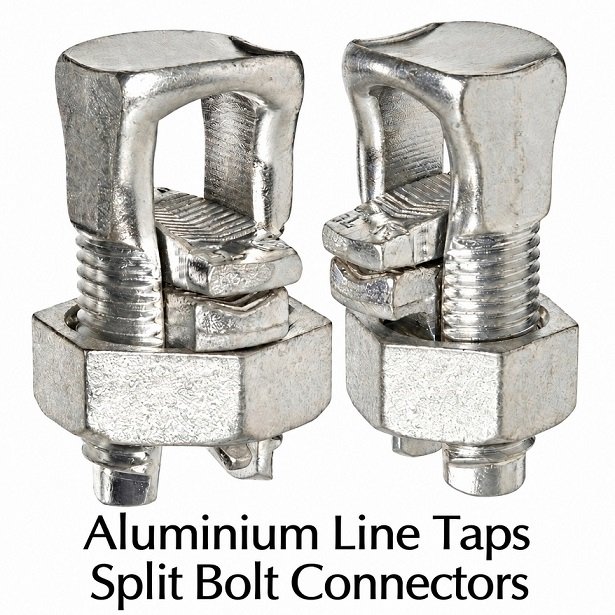
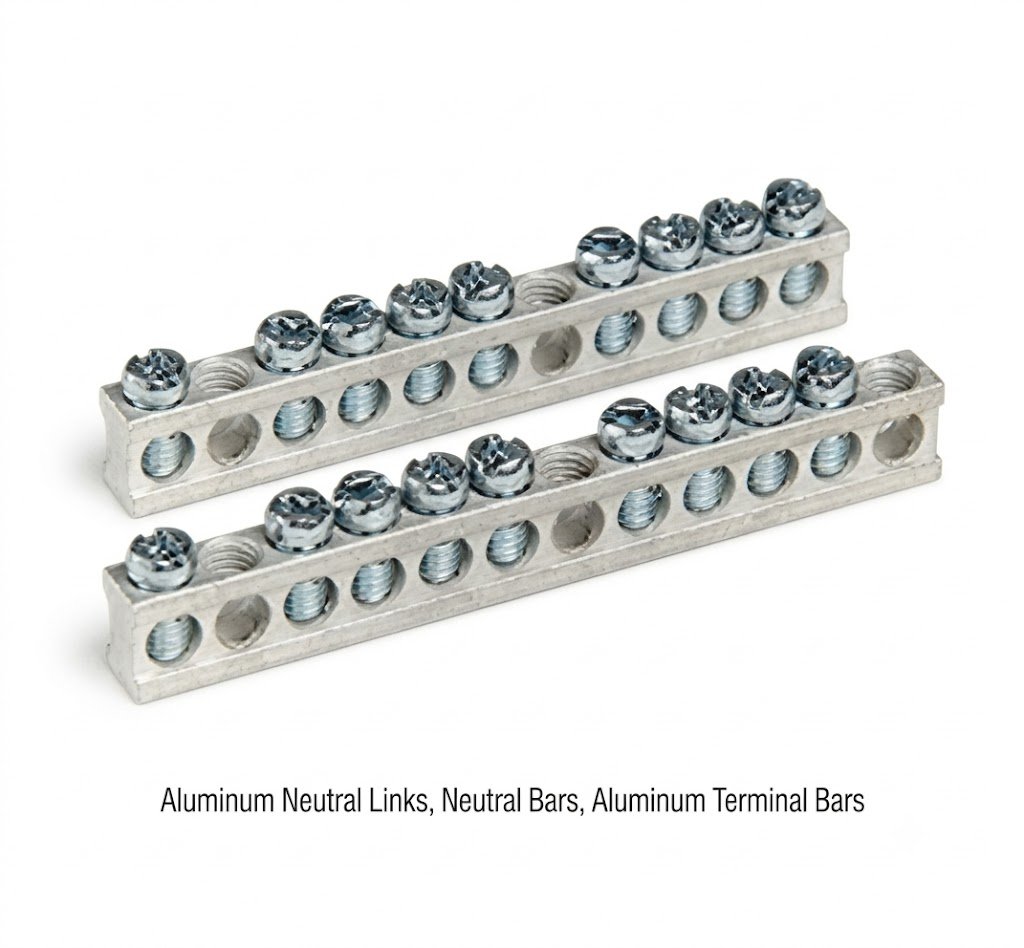
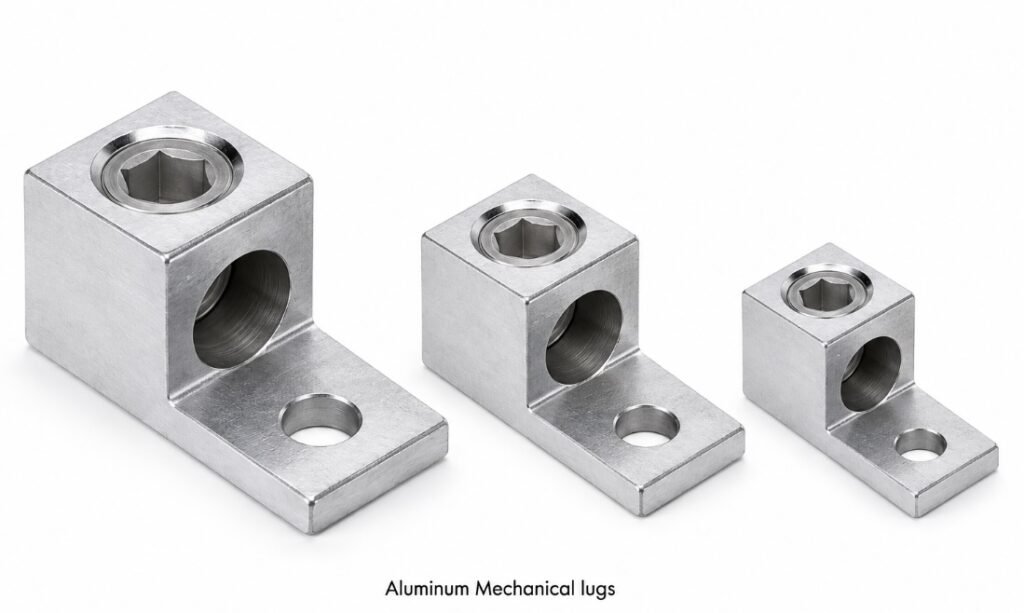
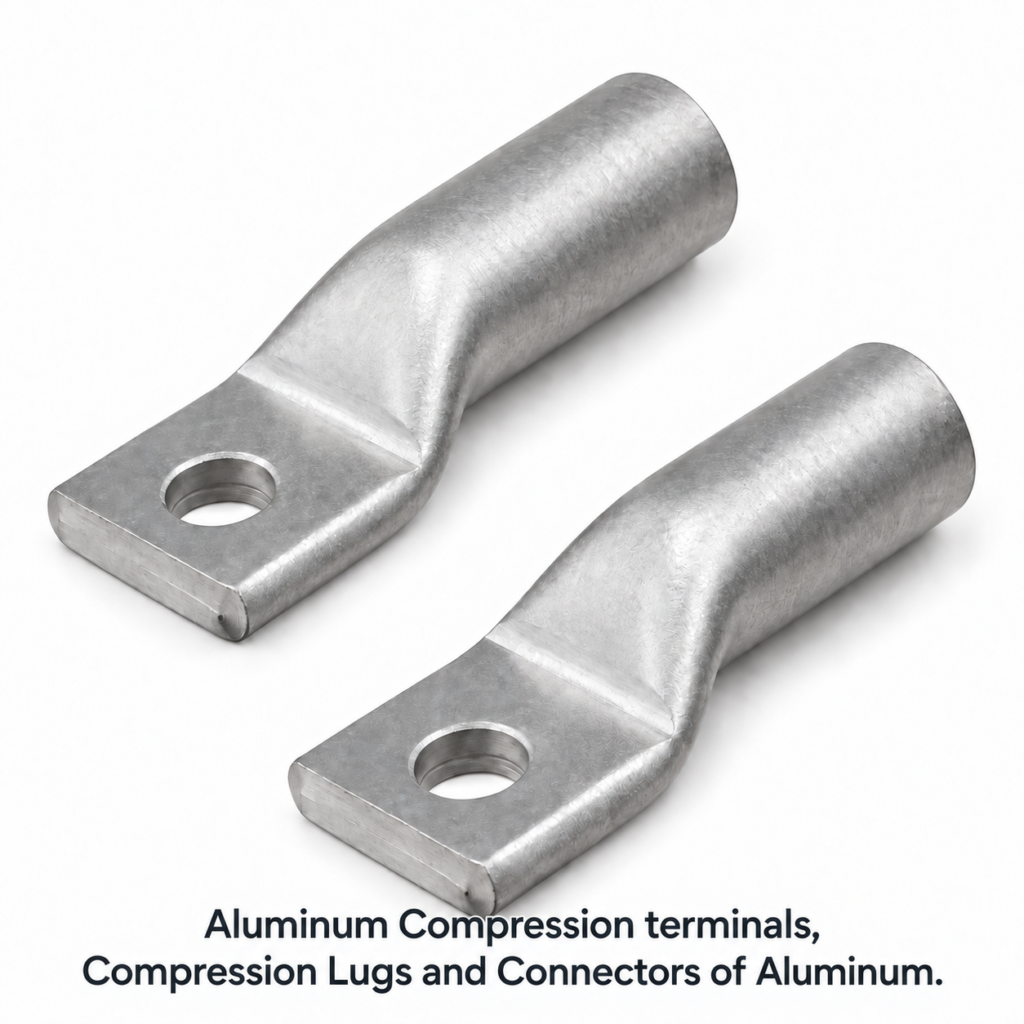
Our aluminium electrical components are engineered for superior conductivity and durability. Designed for safety and performance, they are ideal for various electrical and power applications.

Combining safety and performance, our aluminium electrical components offer reliable solutions for modern electrical systems.

At Conex Aluminium Components, we manufacture aluminium electrical components that are lightweight, corrosion-resistant, and highly conductive. These properties make them perfect for use in electrical systems, power distribution, and control applications. Our components are made to stringent quality standards, ensuring reliable performance and safety. With a commitment to excellence, we provide customized solutions to meet specific requirements, enhancing the overall efficiency of electrical and electronic systems.

Features

Aluminium alloy, Pads conform to NEMA standards, Meets the standards of NEMA CC1

Applications

Rated for 230 kV, Substation, Aluminium cable

Current-carrying parts use high-conductivity grades such as EC grade / 1350 (about 61% IACS), 6101 and 6063 (around 53–57% IACS), while mechanically loaded parts use 6061 or 6082. Cast connectors use LM6 or similar alloys with good conductivity and castability.

Aluminium has about 61% of the conductivity of copper by volume but only 30% of its weight, so for the same resistance an aluminium conductor weighs roughly half as much. Cross-section and contact area are increased accordingly in aluminium component design.

Direct Al–Cu contact in the presence of moisture causes galvanic corrosion. We use friction-welded bi-metallic lugs and connectors, tin-plated aluminium, bi-metallic washers (Cupal) and oxide-inhibiting compounds so the dissimilar-metal interface is sealed from moisture.

Tin plating provides a stable, low-resistance contact surface, protects the aluminium from oxidation and makes the component compatible with copper busbars and terminals. Typical tin thickness is 5–12 µm, depending on the specification.

Components are manufactured to relevant standards such as IEC 61238-1 (compression connectors), UL 486A-486B, DIN 46329 / 46235, BS EN 50483, ANSI C119.4 and customer specifications. Test reports can be supplied for specific part numbers.

Aluminium slowly deforms (creeps) under sustained pressure, especially at elevated temperature, which can reduce bolt preload in a joint. Correct torque, Belleville (disc spring) washers, large contact areas and proper compression tooling keep aluminium connections tight for the life of the installation.

Contact surfaces should be wire-brushed or abraded to remove the oxide film and immediately coated with a suitable joint compound. Tin-plated components should not be abraded; they should simply be cleaned before assembly.

Yes. We cut, punch, bend, drill and tin-plate aluminium busbars and flexible links in 6101 and 1350 grades, as well as machined busbar supports, clamps and connectors to your drawing.

Testing can include dimensional inspection, hardness, plating thickness, electrical resistance, temperature-rise and heat-cycle testing, and tensile or pull-out testing of crimped connections, depending on the standard and customer requirement.

Yes. Aluminium is widely used in overhead lines, substations and distribution transformers. With the right alloy, plating and sealing compound, aluminium electrical components perform reliably outdoors for decades.

Yes. We develop custom connectors, terminals and conductive parts from drawings or samples using casting, forging, extrusion, stamping or CNC machining, and optimize the design for conductivity, strength and cost.

Forged and extruded connectors have a denser, porosity-free grain structure, giving higher mechanical strength and consistent conductivity. Cast connectors allow more complex shapes at lower tooling cost. We recommend the route based on the load, current and volume.

Standard items can be supplied from an MOQ of 10 pieces. Samples usually take 2–3 weeks and production 4–6 weeks, depending on tooling, plating and testing requirements.

Please send the drawing or sample, conductor size and type, current rating, alloy and plating requirements, applicable standard and quantity. We will reply with a technical review, price and lead time.

Need Aluminium Electrical Components? Get a Fast, Detailed Quotation

Send your drawing (STEP, IGES, DWG, DXF or PDF) with material grade, finish and quantity. Our engineers reply with a DFM review, price and lead time. MOQ 10 pcs • ISO 9001:2015 • Exports to USA, UK, Europe, Canada & Australia.