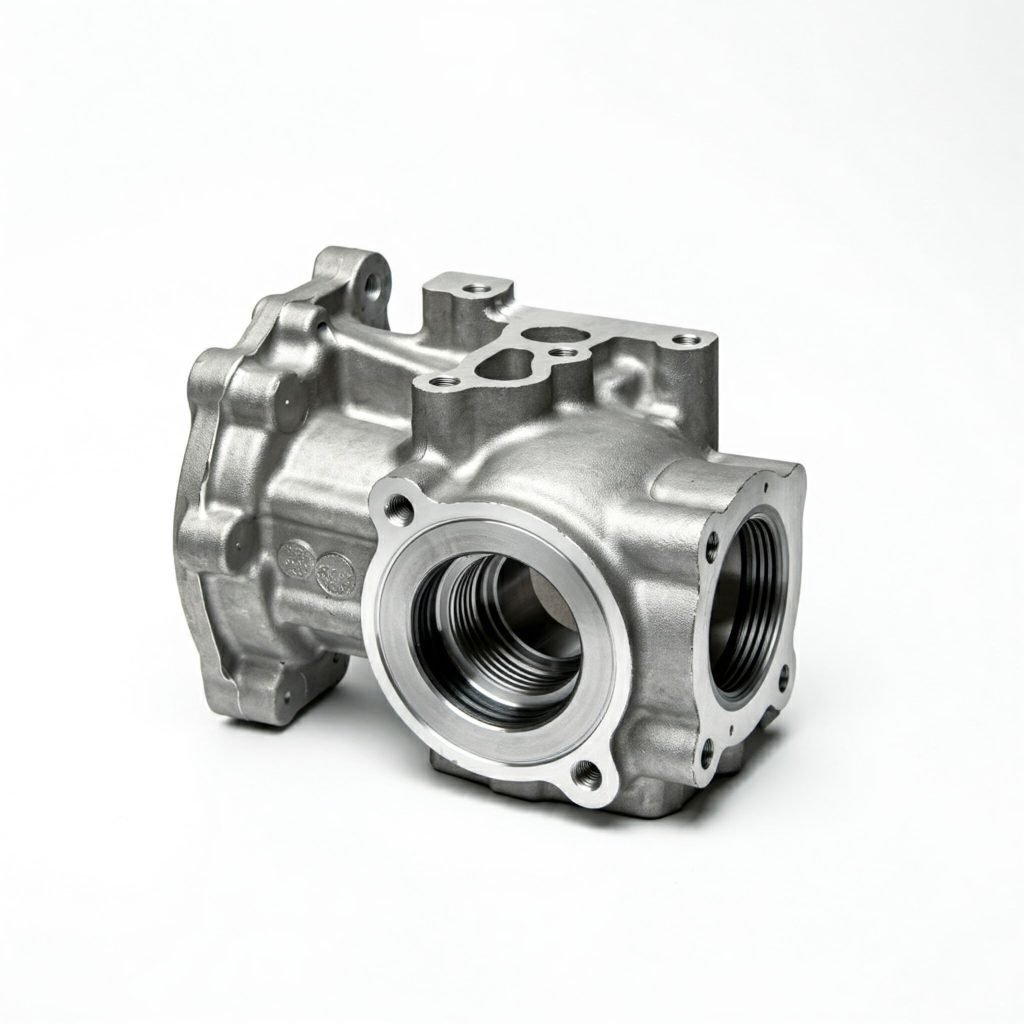
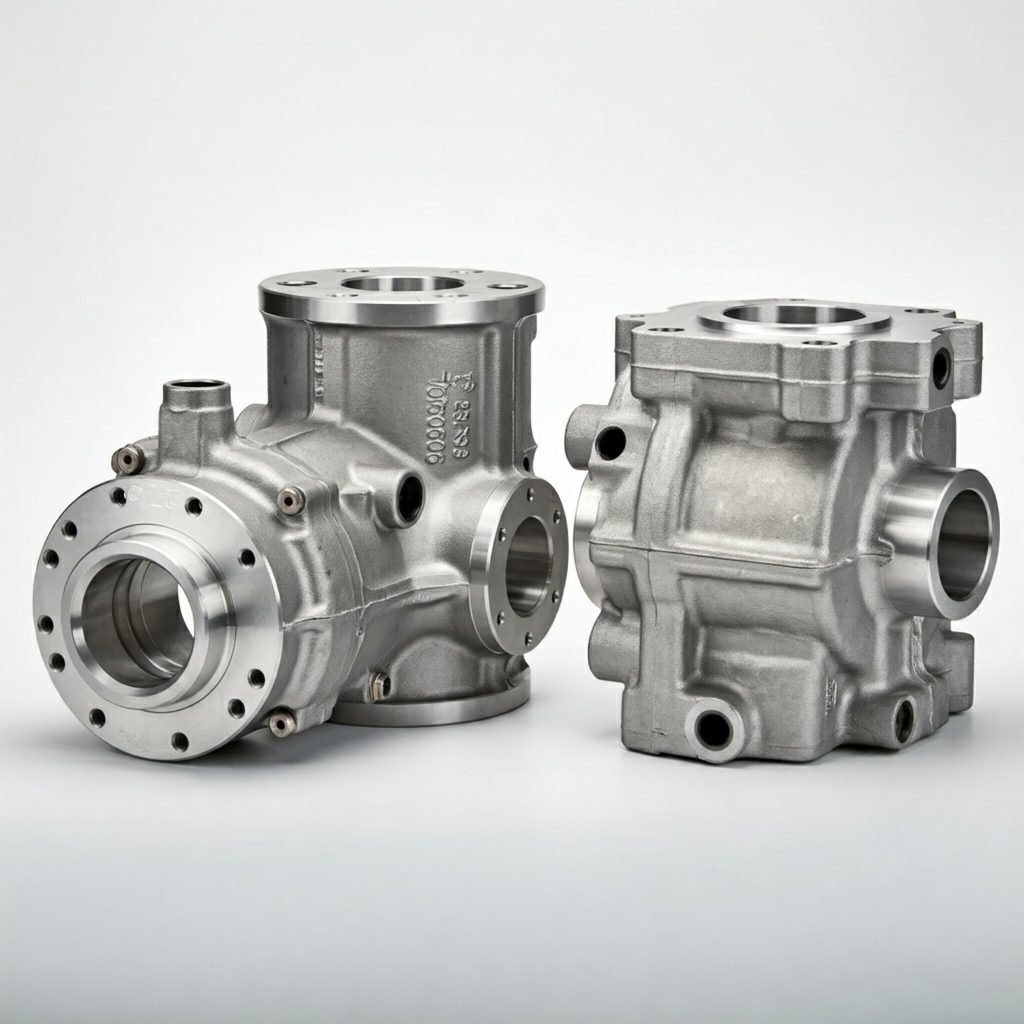
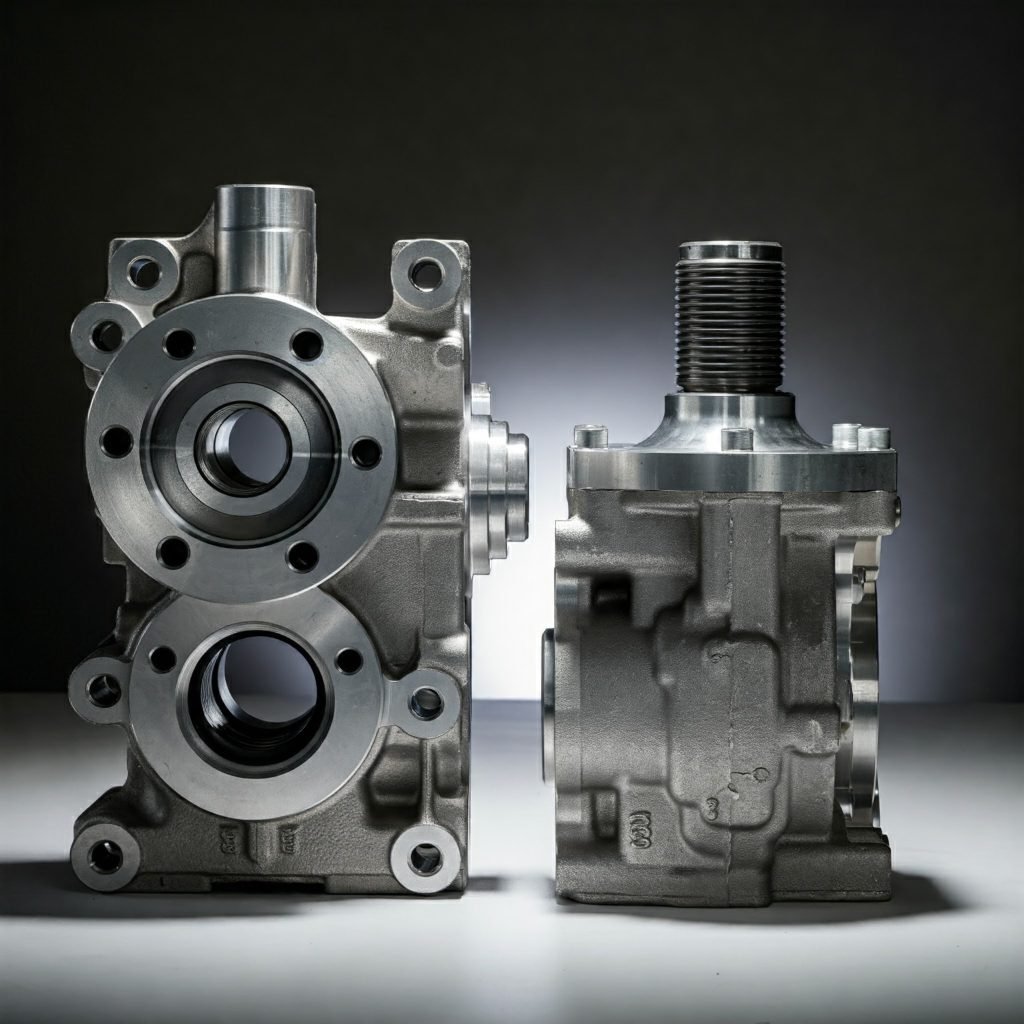
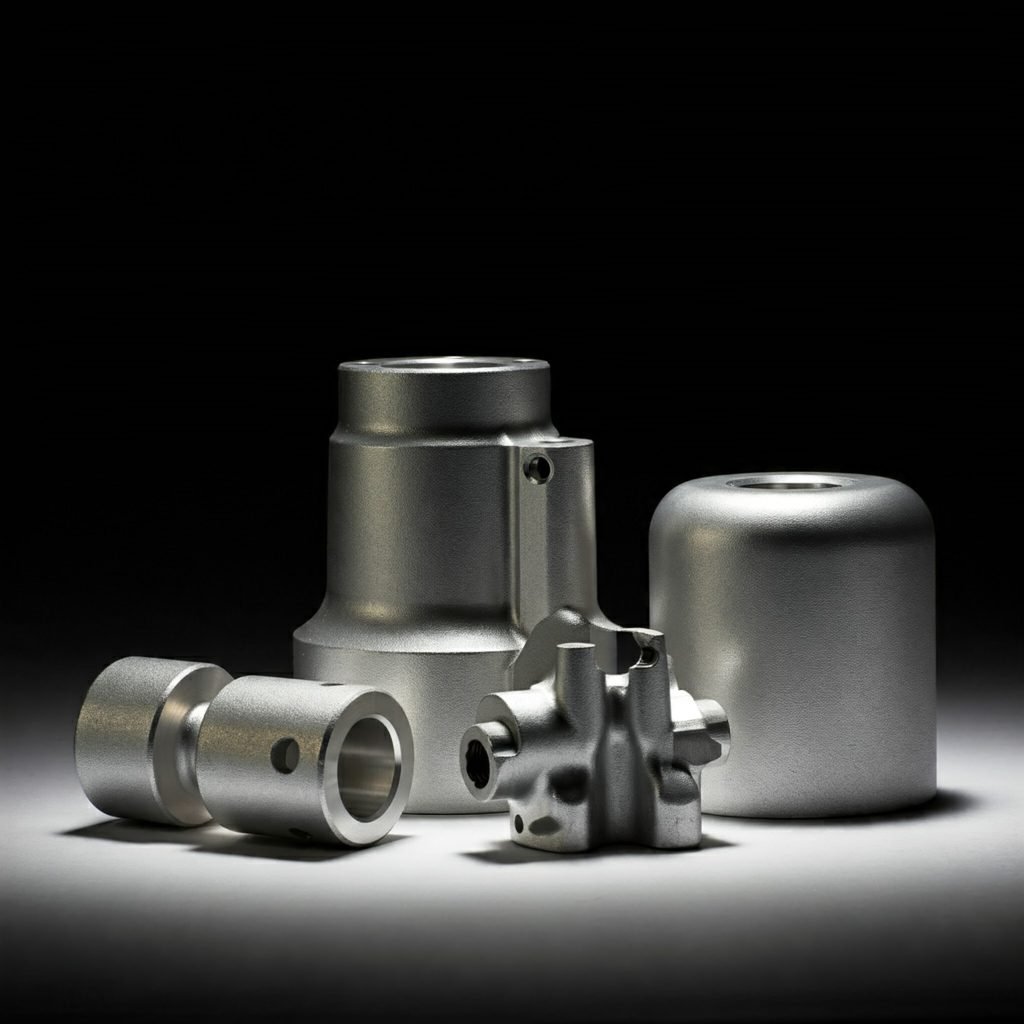
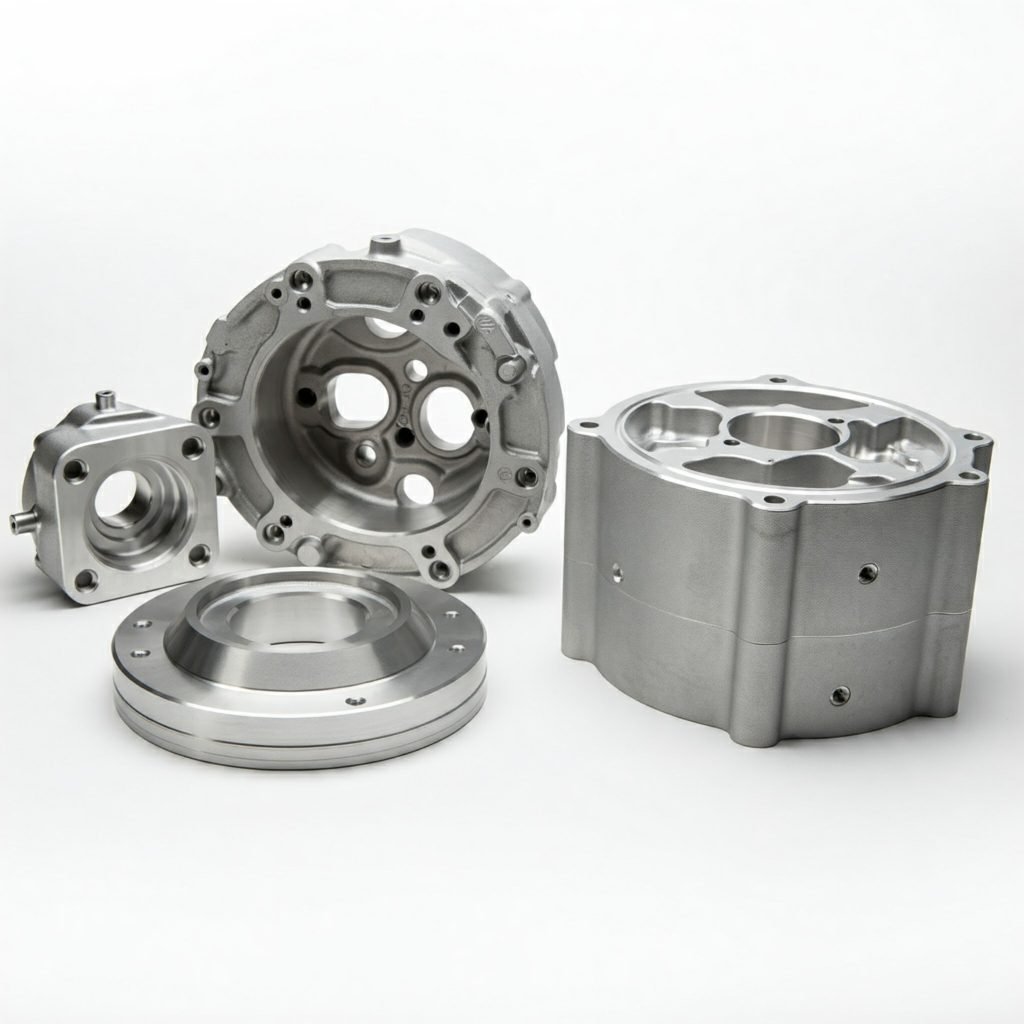
High-Quality Aluminium Gravity Casting for Superior Strength and Finish
Our aluminium gravity castings are produced with exceptional strength and durability. Designed for applications requiring precision and reliability, they deliver outstanding performance.
Providing robust and reliable aluminium gravity castings for diverse industries with superior quality and finish.
At Conex Aluminium Components, we utilize gravity casting to manufacture high-quality aluminium components that meet stringent performance and durability requirements. Gravity casting enables the production of parts with excellent structural integrity and fine surface finish. These castings are suitable for various applications in automotive, machinery, and industrial equipment. Our manufacturing processes ensure each casting meets our clients’ specifications, delivering consistent quality and reliability.
Automotive Components
Engine blocks, cylinder heads, transmission housings, etc.
Aerospace Components
Aircraft parts, landing gear, engine parts, etc.
Industrial Components
Pumps, valves, housings, etc.
Consumer Goods Components
Appliance parts, kitchenware, etc.
Custom Castings
Castings made to specific customer requirements.
Aluminium Gravity Casting are used engineering products that require durable aluminium castings with controlled geometry and reliable material properties. gravity casting is selected when the drawing, volume and performance requirements suit stable mould filling, reusable tooling and consistent production components.
Aluminium offers a favourable strength-to-weight ratio, corrosion resistance, thermal conductivity and machinability. The best alloy and heat-treatment condition depend on structural load, temperature, pressure tightness, conductivity, finishing and regulatory requirements.
Alloy selection depends on the gravity casting route, mechanical properties, corrosion exposure, heat treatment, machinability and finish. Conex reviews the drawing and service conditions before confirming a grade; material certificates and traceability can be specified when required.
Yes. Conex manufactures aluminium gravity casting to customer drawings and application requirements. Dimensions, interfaces, material, finish, identification, inspection and packaging can be tailored after an engineering review, subject to process capability and order quantity.
A typical route includes pattern or die review, melt preparation, controlled mould filling, solidification, trimming, cleaning and inspection. Machining, heat treatment, impregnation, surface finishing or assembly can be added when required by the drawing and end use.
Minimum wall thickness, draft, ribs, bosses and fillets depend on part size, alloy, tooling and the chosen casting process. Early design-for-manufacture review helps avoid isolated heavy sections, sharp transitions and difficult feed paths that can increase distortion or porosity risk.
Cast tolerance depends on process, geometry, tool condition, parting line and section thickness. Machining is normally used for sealing faces, bearing locations, precision bores, threads and tight assembly datums. Conex confirms an inspection plan after reviewing the controlled drawing.
Control begins with suitable component design, clean metal, correct melt treatment, temperature control, gating and venting, stable filling and solidification. Inspection may include visual, dimensional, leak, pressure, dye-penetrant, radiographic or other tests when the application justifies them and acceptance criteria are agreed.
Yes. Secondary operations can include CNC milling, turning, drilling, tapping, reaming, deburring, shot blasting, polishing, painting, powder coating, anodising where alloy permits and conversion coating. Machining stock, datum strategy, masking and cosmetic criteria should be defined on the drawing.
Pressure tightness is application-specific and cannot be assumed from the process name. Wall design, alloy, porosity control, machining and sealing interfaces must be reviewed together, with pressure or leak test limits agreed before production.
Quality controls can include incoming material checks, melt and process records, first-piece approval, dimensional inspection, visual standards and defined mechanical or nondestructive tests. Required certificates, sampling plans and traceability should be stated on the purchase order.
For an accurate quotation, provide a controlled drawing or 3D model, material or alloy requirement, critical dimensions and tolerances, finish, order quantity, annual demand, application and any inspection or documentation needs. Conex reviews manufacturability before confirming tooling, process route, lead time and commercial terms.
LM25 (A356 / AlSi7Mg) is the most common gravity casting alloy because it is heat treatable to T6 and pressure tight. LM6 (AlSi12) is used for thin walls and excellent fluidity, and LM4 or LM2 for general engineering castings.
Gravity die casting uses permanent steel moulds, giving better dimensional accuracy, smoother surfaces, finer grain structure and higher mechanical properties than sand casting, with lower piece cost at medium volumes.
Yes. Gravity castings have low gas porosity, so LM25/A356 parts can be solution treated and aged to T6, typically achieving tensile strengths of about 230–280 MPa with good elongation.
Need Aluminium Gravity Casting? Get a Fast, Detailed Quotation
Send your drawing (STEP, IGES, DWG, DXF or PDF) with material grade, finish and quantity. Our engineers reply with a DFM review, price and lead time. MOQ 10 pcs • ISO 9001:2015 • Exports to USA, UK, Europe, Canada & Australia.