

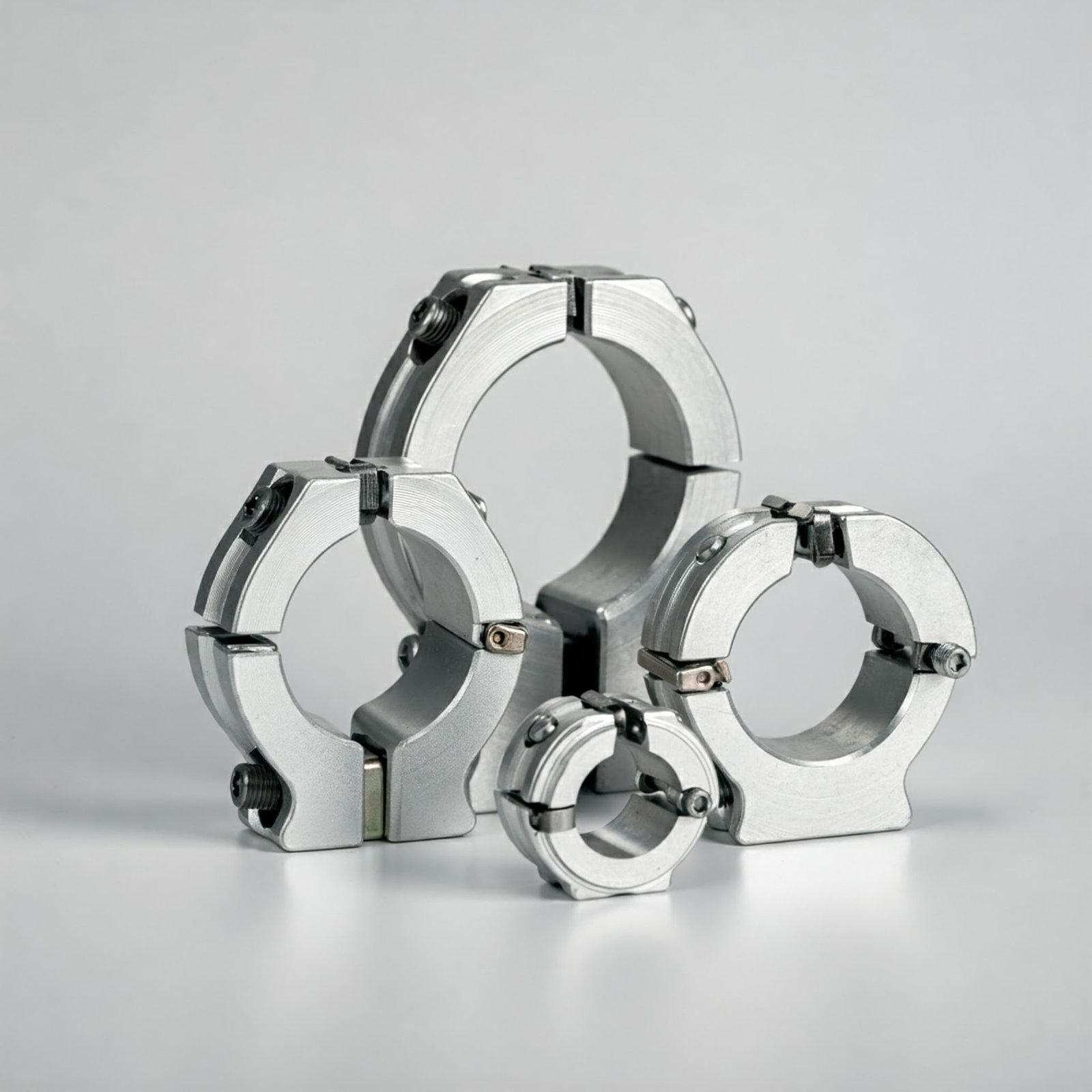
Durable and Precision-Engineered Aluminium Parallel Groove (PG) Clamps
Our aluminium parallel groove (PG) clamps are designed to provide secure and efficient conductor connections, offering excellent durability and reliability.
High-quality aluminium parallel groove (PG) clamps crafted for reliable and secure conductor connections in industrial and utility applications.
At Conex Aluminium Components, we specialize in manufacturing premium aluminium parallel groove (PG) clamps for electrical and utility applications. These clamps ensure secure connections between conductors, offering excellent conductivity and corrosion resistance. Lightweight yet robust, our PG clamps are easy to install and provide reliable performance in demanding environments. Available in various sizes and configurations, they are suitable for multiple conductor types and diameters. With a commitment to quality and customization, Conex delivers tailored solutions to meet specific requirements.
Aluminium parallel groove clamps create mechanical and electrical connections between compatible overhead conductors arranged in parallel. They are commonly used for taps, jumpers and non-tension conductor connections in distribution systems. The clamp must be selected for the conductor material, construction, diameter range, current duty, installation environment and applicable utility specification.
Standard aluminium PG clamps are generally intended for compatible aluminium-based conductors such as AAC, AAAC or ACSR within the specified range. Direct aluminium-to-copper connections require a purpose-designed bimetallic connector or an approved transition method because dissimilar-metal contact can create galvanic corrosion. Conductor type and strand construction should always be stated when requesting a clamp.
Selection is based on the actual outside diameters and constructions of both conductors, not only their nominal cross-sectional areas. Each conductor must sit correctly in its groove with adequate contact area and bolt engagement. Conex reviews the main and tap conductor data, allowable range, hardware and installation requirement before confirming the suitable clamp configuration.
Low, stable contact resistance limits local heating and power loss at the joint. Performance depends on groove fit, contact area, conductor preparation, surface condition, bolt preload and resistance to relaxation during thermal cycling. A clamp that is incorrectly sized or tightened can develop hot spots, so installation and inspection requirements are as important as the clamp material.
Follow the utility’s approved installation procedure. Typically, the conductor contact zone is cleaned to remove contamination and non-conductive oxide without damaging strands. An approved oxide-inhibiting compound may then be applied where specified. The prepared area should not be touched with contaminated tools or hands, and the clamp should be assembled promptly to preserve the cleaned interface.
Use only the torque specified for the exact clamp, bolt size, hardware, thread condition and installation standard. A generic torque can under-compress the conductor or overstress threads and clamp bodies. Bolts should be tightened in the recommended sequence with a calibrated torque wrench, ensuring the pressure members remain aligned and the conductor is seated fully in each groove.
Yes, when the clamp is designed and approved for the specific main and tap diameter combination. The groove profile must provide effective contact without strand damage or uneven loading. Large differences in conductor size may require an asymmetric or dedicated clamp design. Both conductor sizes and constructions should therefore be provided rather than assuming one universal clamp will fit.
Electrical load cycles heat and cool the conductors and connector, causing expansion, contraction and possible preload relaxation. A suitable PG clamp uses compatible materials, robust geometry and controlled bolt loading to maintain contact pressure. Qualification or project requirements may include resistance measurements and thermal-cycle testing to confirm that the joint remains electrically and mechanically stable.
They can be specified for outdoor service, but salt, industrial pollution, moisture retention and dissimilar-metal interfaces increase corrosion risk. Material grade, surface treatment, compatible hardware, joint compound and installation practice should be selected for the exposure category. Utilities may also require protective coverings or enhanced testing for severe coastal or highly contaminated locations.
Galvanic risk is reduced by avoiding unapproved dissimilar-metal contact, using compatible connector materials and hardware, excluding moisture and applying approved inhibitors or protective systems. Aluminium-to-copper joints should use a qualified bimetallic solution. The complete assembly—including conductor, clamp body, bolts, washers and any cover—must be assessed rather than considering the clamp body alone.
Parallel groove clamps are normally used for electrical connections rather than as primary tension or dead-end fittings unless a specific design and approval state otherwise. The line design should provide independent mechanical support where required. Conductor tension, vibration and movement must be identified so the correct connector and supporting hardware are selected for the application.
Reuse should follow the utility or equipment owner’s approved practice. Previous tightening, thread wear, deformation, corrosion, contamination or conductor imprinting can affect performance. For critical joints, replacement is often preferred unless the clamp is explicitly designed, inspected and approved for reuse. Hardware, contact surfaces and oxide inhibitor should never be assumed serviceable without evaluation.
Quality checks can include material verification, dimensional inspection, groove profile, bolt and thread fit, surface condition and assembly checks. Project specifications may additionally require mechanical slip, electrical resistance, temperature-rise, thermal-cycle or corrosion testing. Inspection reports, material certificates and test documentation can be supplied when the required standards and acceptance criteria are agreed.
Yes. Customisation can include conductor ranges, groove combinations, body geometry, bolt quantity, pressure plates, hardware, surface treatment and identification marking. Conex requires conductor drawings or data sheets, system voltage, current duty, mechanical requirements, environment, applicable standard and order quantity to review manufacturability and define an appropriate validation plan.
Provide the main and tap conductor materials, constructions, cross-sectional areas and actual diameters; the connection function; current rating; system and environmental conditions; bolt or torque requirements; applicable utility standard; testing and documentation needs; and annual quantity. These details allow Conex to recommend a compatible clamp rather than selecting only by conductor name.
Need Aluminium Parallel Groove (PG) Clamps? Get a Fast, Detailed Quotation
Send your drawing (STEP, IGES, DWG, DXF or PDF) with material grade, finish and quantity. Our engineers reply with a DFM review, price and lead time. MOQ 10 pcs • ISO 9001:2015 • Exports to USA, UK, Europe, Canada & Australia.


